Why DTF Printing Services Are Changing Custom Apparel
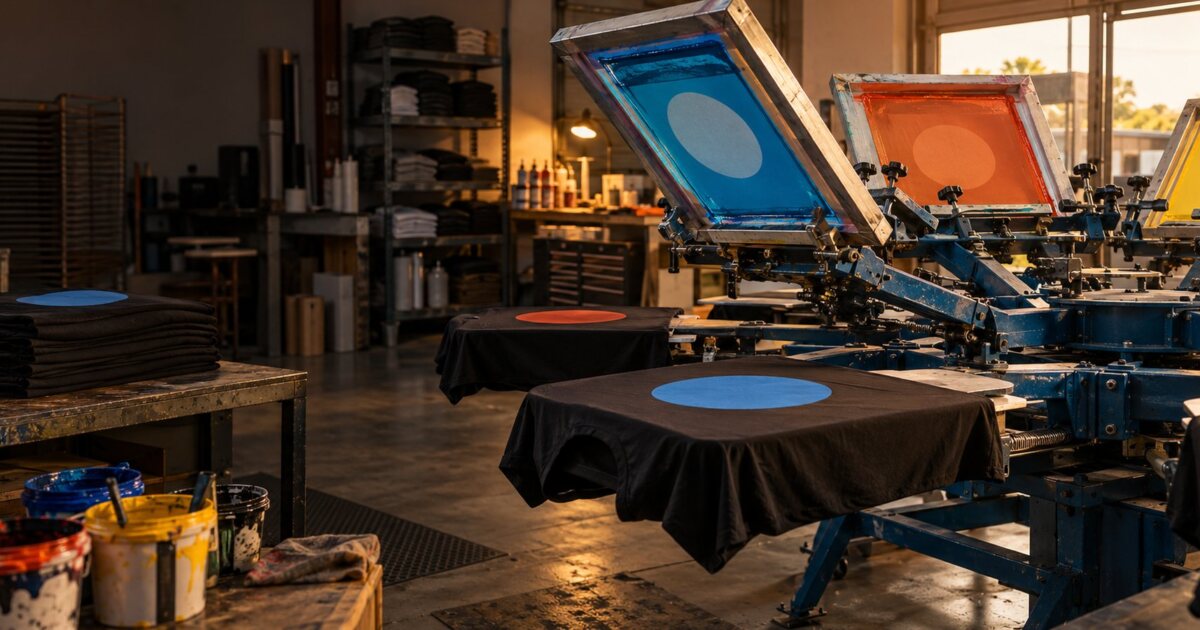
After years of watching print-on-demand shops come and go, it takes a real shift in production tech to make me sit up and pay attention. DTF printing services, direct-to-film transfer, are that shift. Unlike screen printing, which demands a separate screen for each color, or direct-to-garment, which ties you to a single printer per shirt, DTF lets you print full-color designs onto a special film, then heat-press them onto almost any fabric. That flexibility is not just a convenience. For a family-owned print shop like Custom Shirt Printing, it means saying yes to orders that used to be too complex or too small to run profitably.
What DTF Actually Changes
The core difference between DTF and other methods is the separation of the print surface from the garment. In screen printing the ink goes straight onto the shirt, so you need a screen for every color and a setup fee that makes short runs expensive. With DTF, you print the whole design, white base layer, color layers, adhesive powder, onto a roll of film. That film can sit on a shelf until a customer walks in with a rush order for twenty hoodies in different sizes and colors. You just press the transfer onto each blank, and the result looks like it was printed directly.
That workflow matters more than most people realize. A shop that offers customtsprinting DTF printing services can take a single design and apply it to cotton tees, polyester jerseys, nylon jackets, or even denim and leather patches, without changing a single machine setting. Screen printing struggles with polyester because the heat can warp the fabric; DTF uses a lower press temperature and a flexible adhesive that moves with the material. For anyone who has ever ruined a batch of performance shirts with a screen press that was ten degrees too hot, that is a genuine relief.
Where DTF Fits and Where It Doesn't
No method is a silver bullet, and DTF has its own trade-offs. The transfers feel slightly thicker than a direct screen print, especially on lightweight tees. Some customers notice the difference when they run their hand over the design. For heavy-wear items like work uniforms or tote bags, the added durability is a bonus. For a soft triblend shirt, you might still prefer screen printing or a well-cured DTG print.
Washability is also worth discussing. A properly applied DTF transfer should last fifty washes or more with no cracking, but that depends on the quality of the film, the adhesive powder, and the press operator's technique. Cheap film from an unknown supplier will peel. Too little adhesive and the edges lift. Too much heat and the polyester base of the transfer shrinks unevenly. A good print shop, like Custom Shirt Printing, tests every roll of film before they run customer jobs. They know which brands hold up and which ones cause callback complaints.
Cost and Minimum Orders
One of the biggest barriers for small businesses and event organizers has always been the minimum order quantity. Screen printing shops often require twenty-four or forty-eight pieces to make the setup worth their time. DTF drops that floor. A shop that runs customtsprinting DTF printing services can profitably produce a single shirt, a dozen hats, or a hundred hoodies from the same film roll. That makes it ideal for:
- Team uniforms where only a few athletes need each size
- Pop-up merchandise for bands or artists testing a new design
- Corporate gifts for a staff of fifteen
- Sample runs before committing to a bulk screen print order
- Personalized items like birthday shirts for a family reunion
There is a catch, though. DTF film and powder cost more per square inch than screen printing ink. For very large orders, five hundred shirts or more, screen printing will still be cheaper per piece. The breakeven usually falls somewhere around fifty to one hundred pieces, depending on the number of colors in the design. A good print shop can help a customer decide which route saves money for their specific job.
Design and Color Matching
Because DTF prints the entire design in one pass through the printer, you are not limited by the number of colors. A photograph of a sunset with gradients, shadows, and highlights prints exactly as it appears on screen. That frees up designers to use rich artwork without worrying about separations or simulated process color halftones. The catch is that the white underbase still needs to be dense enough to keep colors vivid on dark fabrics. If the white layer is too thin, the shirt color bleeds through. If it is too thick, the transfer feels rubbery.
Color matching is another area where experience shows. CMYK printers can hit most Pantone approximations, but neon or fluorescent colors often need a second pass or a specialty ink. A shop like Custom Shirt Printing keeps a set of test blanks in every common fabric color so they can proof a transfer before running the full order. That kind of in-house testing is what separates a reliable print partner from a fulfillment house that just clicks "print" and hopes for the best.
Turnaround and Logistics
Speed is where DTF really shines. Because there is no screen burning, registration setup, or press cleanup between colors, a single operator can produce several hundred transfers in a day. For a customer who needs shirts by Friday, ordering on Monday is no longer a problem. The bottleneck shifts from production to shipping and curing time. Most DTF transfers require a few hours of cooling and off-gassing before they can be pressed, but that is a minor delay compared to the week-long lead time of traditional screen printing.
That speed also lets shops offer rush services without a huge premium. A customer who is willing to pay a small upcharge can get their transfers made same-day and press them themselves if they have a heat press. For the shop, it means more jobs per day and fewer idle machines.
Durability and Feel Over Time
I have seen DTF transfers that looked new after two years of regular washing and a few that started peeling after ten washes. The difference always comes down to the quality of the materials and the precision of the application pressure. The best DTF films use a high-tack adhesive that bonds to the fabric fibers instead of just sitting on top. When you peel the transfer carrier sheet, the design should feel integrated with the fabric, not like a sticker.
Another factor is the powder. Some shops use a one-part powder that works for both cotton and polyester. Others use a two-part system where a separate top coat adds scratch resistance. The two-part systems take longer to apply but produce a finish that can survive industrial laundry. For uniforms or rental gear, that extra step is worth the cost.
Is DTF Right for Your Next Order
If you are ordering fewer than fifty pieces, want full-color photographic art, or need garments in mixed fabric types, DTF is almost certainly your best option. If you need five hundred matching tees for a festival and the design is four colors or fewer, screen printing will give you a lower per-unit price and a softer hand feel. The smartest approach is to talk to a shop that does both. A printer who only offers one method will push that method. A shop that offers customtsprinting DTF printing services alongside screen printing and embroidery can give you an honest recommendation based on your actual artwork, fabric, and budget.

Custom Shirt Printing in Los Angeles fits that description. They are a family-run shop with in-house production, which means no farmed-out orders and no surprises on turnaround. They offer free design help for customers who have a rough sketch but not a finished file, and they can walk you through the trade-offs between DTF, screen, and embroidery for your specific job. That kind of guidance is rare in an industry where most shops just take your order and hope it works.
At the end of the day, DTF is a tool, not a magic wand. Used well, it makes custom apparel more accessible for small runs, complex art, and mixed fabrics. Used carelessly, it produces a transfer that looks good for a week and then disappoints. The difference is the printer. Find one who understands the material science, tests their supplies, and treats your deadline like their own. That is what turns a good printing method into a great finished shirt.
 Facebook
 Instagram